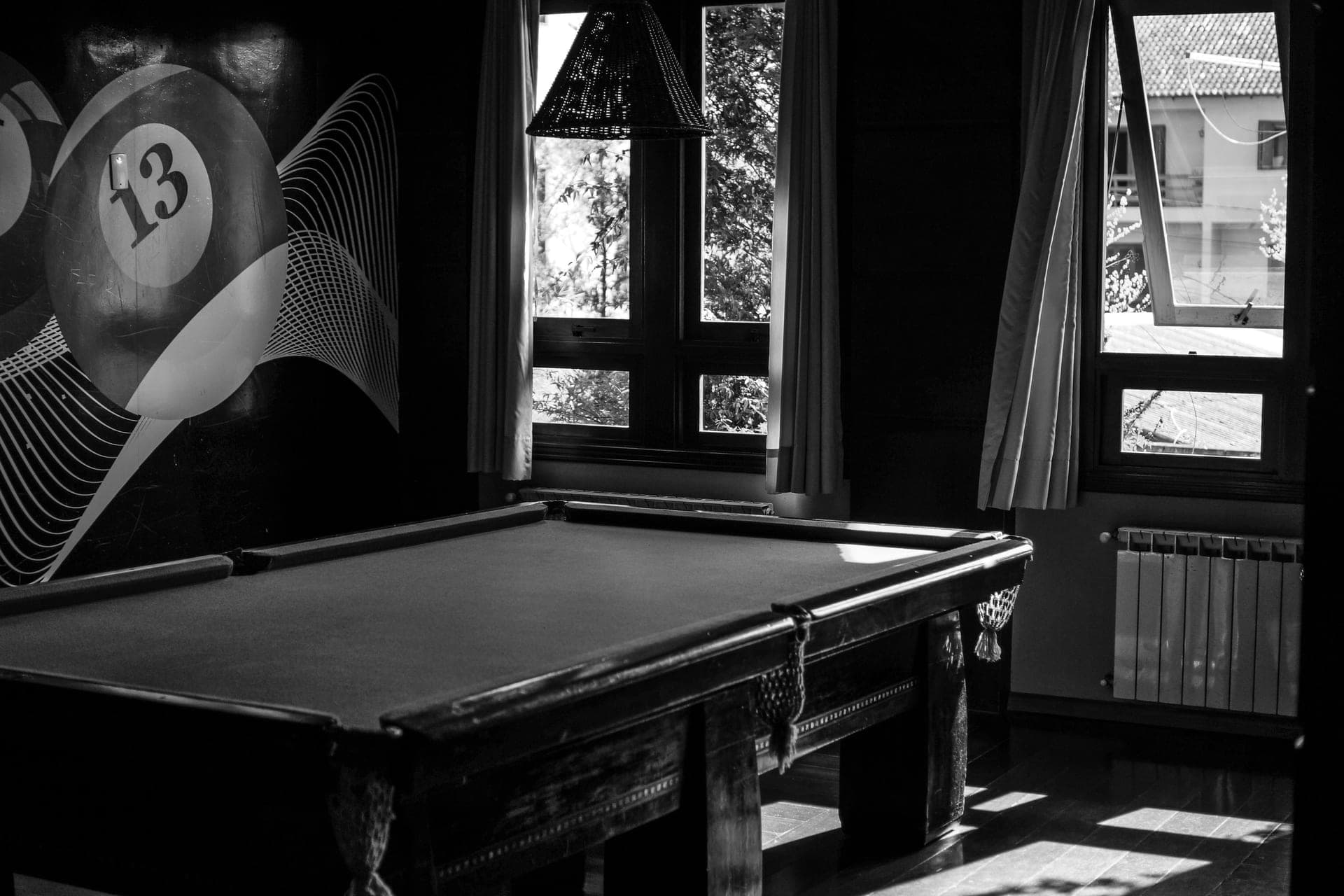
Best pool table overall
The best pool tables for a home game room
Our main pool table roundup: six picks from budget MDF to furniture-grade slate, sorted by room and budget.
Category
The biggest, heaviest, most permanent thing you can put in a game room — and the one people most often get wrong on size.
By Ryder M. · Last updated September 27, 2026 · How we pick
A pool table is the anchor purchase of most game rooms. It is also the one where the expensive mistake is not the table you chose — it is the room you put it in. A seven-foot table needs roughly seventeen and a half feet by thirteen and a half feet of clear floor to play with a full-length cue, and nobody finds that out until the delivery crew is already in the driveway.
So this category starts with the room, not the table. Measure the space first, subtract the cue clearance on all four sides, and whatever size that leaves you is the size you buy. A seven-foot table you can actually walk around beats an eight-foot table you have to shoot one-handed against a wall, every single time. Our room size guide has the chart, including the smaller numbers you get away with if you keep a couple of short cues in the rack.
The second decision is the playing bed, and it is genuinely simple once somebody explains it. Slate is a heavy stone bed under the cloth. It stays dead flat for decades, it is what every bar and pool hall uses, and it is the reason a good table still plays true twenty years in. MDF is dense engineered board. It is a fraction of the weight and price, it plays fine out of the box, and it is vulnerable to humidity and to anyone who sits on the rails. Neither is wrong. A slate table in a damp basement that nobody plays is a worse purchase than an MDF table a family uses every week.
If you are buying this as a gift and you do not play yourself, the honest short version is this: budget for the room first, pick the biggest table that leaves you full clearance, and spend the difference on a decent set of cues rather than on a bigger table that cramps the space. A cheap house cue is the single most common reason a new table stops getting used.
Start here
Every guide below is written for someone buying rather than someone who already plays.
Cue & Paddle is reader-funded. If you buy through a link on this page we may earn a commission, at no extra cost to you. It never changes which products we pick or how we rank them — read the full disclosure.
Best pool table overall
Our main pool table roundup: six picks from budget MDF to furniture-grade slate, sorted by room and budget.
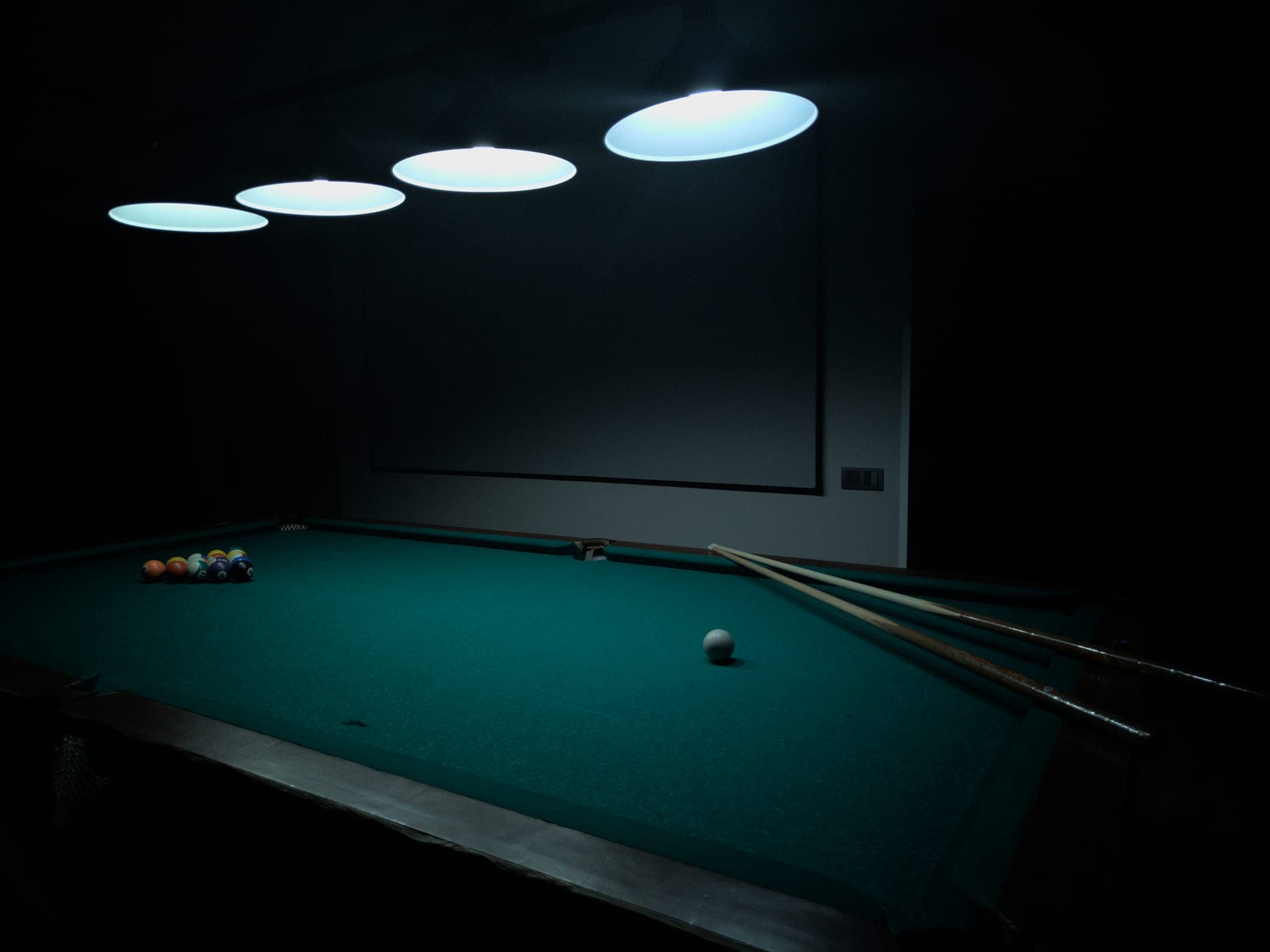
Best pool table under $1,000
The entry market, honestly assessed: what under $1,000 buys, what it does not, and the picks worth having.
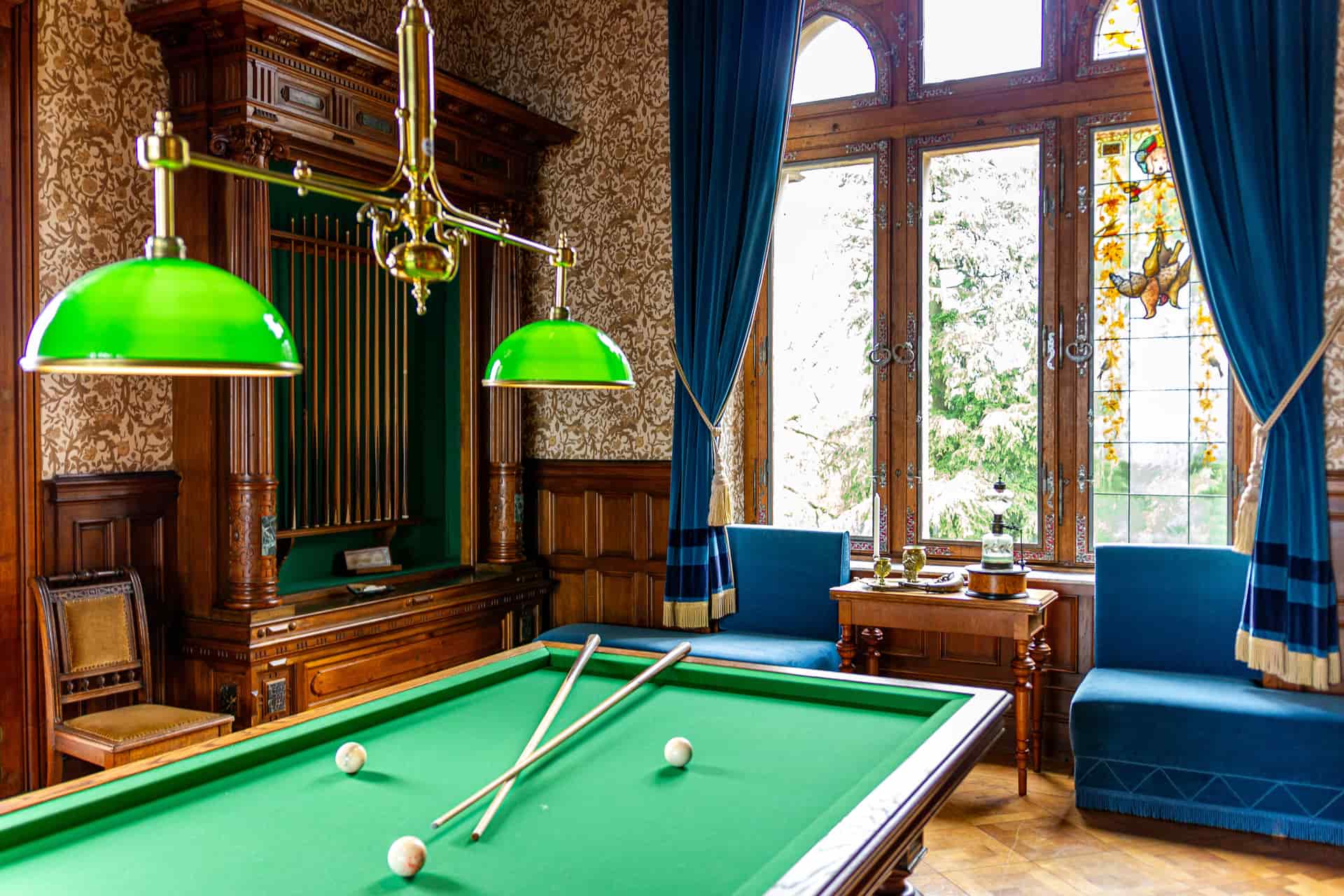
Best small pool table
Compact, folding and 6.5ft tables for rooms that will not take a 7-footer — with the real clearance numbers.
Top pick: Mizerak Dynasty Space Saver 6.5 ft Billiard Table
Check price on Amazon
Best outdoor pool table
What makes a table genuinely all-weather, the specialist picks, and why a covered patio changes the answer.
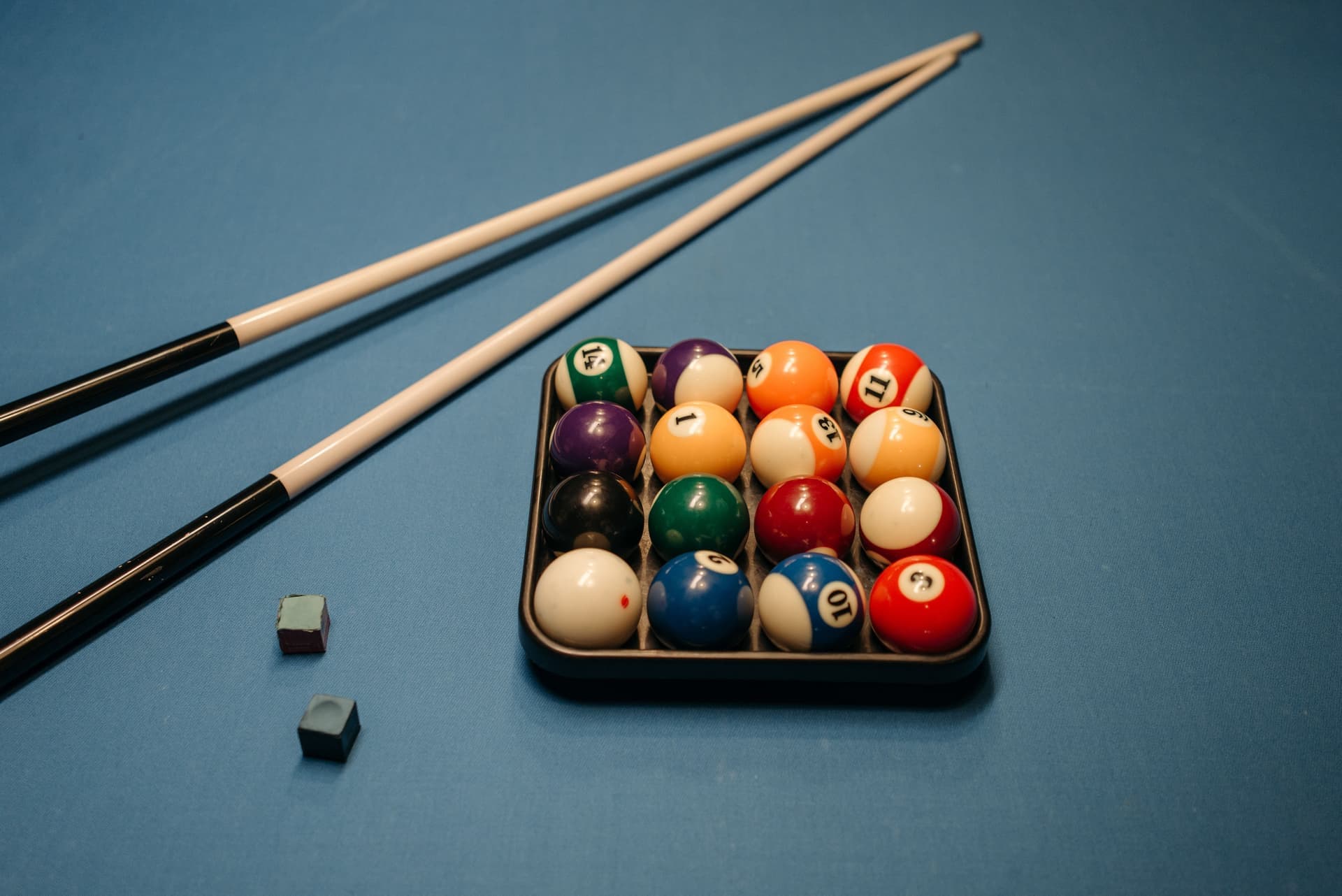
Best pool cue for the money
The highest-value upgrade in the category. Picks for beginners, regular players and house cue sets.
How to choose
Four questions, in this order. Answer them honestly and the shortlist picks itself.
One thing that is not worth agonizing over: cloth color, pocket style and finish. They are the part everyone looks at in photos and the part nobody thinks about a month later. Get the size and the bed right and the rest is decoration.
Before you buy
Comparison
The one spec that decides what you own in ten years. What each bed does, how they age, and who should buy which.
Comparison
The room each size needs, how the game changes, and the mistake that makes a bigger table a worse table.
Guide
The room size chart for every table size, with standard and short cues, plus how to handle columns and awkward corners.
Guide
The market in bands, what genuinely changes at each step, and the delivery and setup costs people forget to budget for.
Guide
The seven things that actually matter on a pool table listing, and the marketing language you can safely ignore.
Questions
Elsewhere on Cue & Paddle
Where combo tables genuinely make sense, where they do not, and the dining tables that hide a pool table underneath.
Top thickness, folding tables, indoor vs outdoor and the floor space you need. The easiest table to buy well.
Buying this for someone else? Start with the gift guide instead.