Sizing guide
Pool table room size guide
The chart to check before you buy anything else on this site. It takes two minutes and prevents the one mistake nobody can undo.
By Ryder M. · Last updated September 27, 2026 · How we pick
The direct answer: for a 7-foot pool table with standard 58-inch cues you need about 17ft 6in by 13ft 6in of clear floor. An 8-foot table needs about 18ft 4in by 14ft 4in, and a 9-foot table about 19ft 6in by 15ft 4in. Using 48-inch short cues cuts roughly 20 inches off each dimension.
Those figures are the single most useful thing on this site, because the size mistake is the only one in this category that cannot be fixed afterwards. Below is the full chart, how to measure properly, and what to do when the room is awkward.
The numbers
The room size chart
The calculation is straightforward: take the playing surface, then add the cue length plus about five inches of backswing to every side. The chart below does that for the common table and cue combinations.
| Table size | Playing surface | 58in cues | 52in cues | 48in cues |
|---|---|---|---|---|
| 6ft | 71 x 35.5in | 15ft 7in x 12ft 4in | 14ft 7in x 11ft 4in | 13ft 9in x 10ft 6in |
| 6.5ft | 76 x 38in | 16ft x 12ft 6in | 15ft x 11ft 6in | 14ft 2in x 10ft 8in |
| 7ft | 78 x 39in | 17ft 6in x 13ft 6in | 16ft 6in x 12ft 6in | 15ft 8in x 11ft 8in |
| 8ft | 88 x 44in | 18ft 4in x 14ft 4in | 17ft 4in x 13ft 4in | 16ft 6in x 12ft 6in |
| 8ft Pro | 92 x 46in | 18ft 8in x 14ft 6in | 17ft 8in x 13ft 6in | 16ft 10in x 12ft 8in |
| 9ft | 100 x 50in | 19ft 6in x 15ft 4in | 18ft 6in x 14ft 4in | 17ft 8in x 13ft 6in |
Playing-surface dimensions vary by an inch or two between manufacturers — check the specification for the model you are buying. These figures assume clearance on all four sides, which is what you want if the table sits away from walls.
Method
How to measure your room properly
- Measure the usable floor, not the room. Stop at anything that blocks a stance: radiators, stair bulkheads, the swing of a door, a sofa that will not move, a support column.
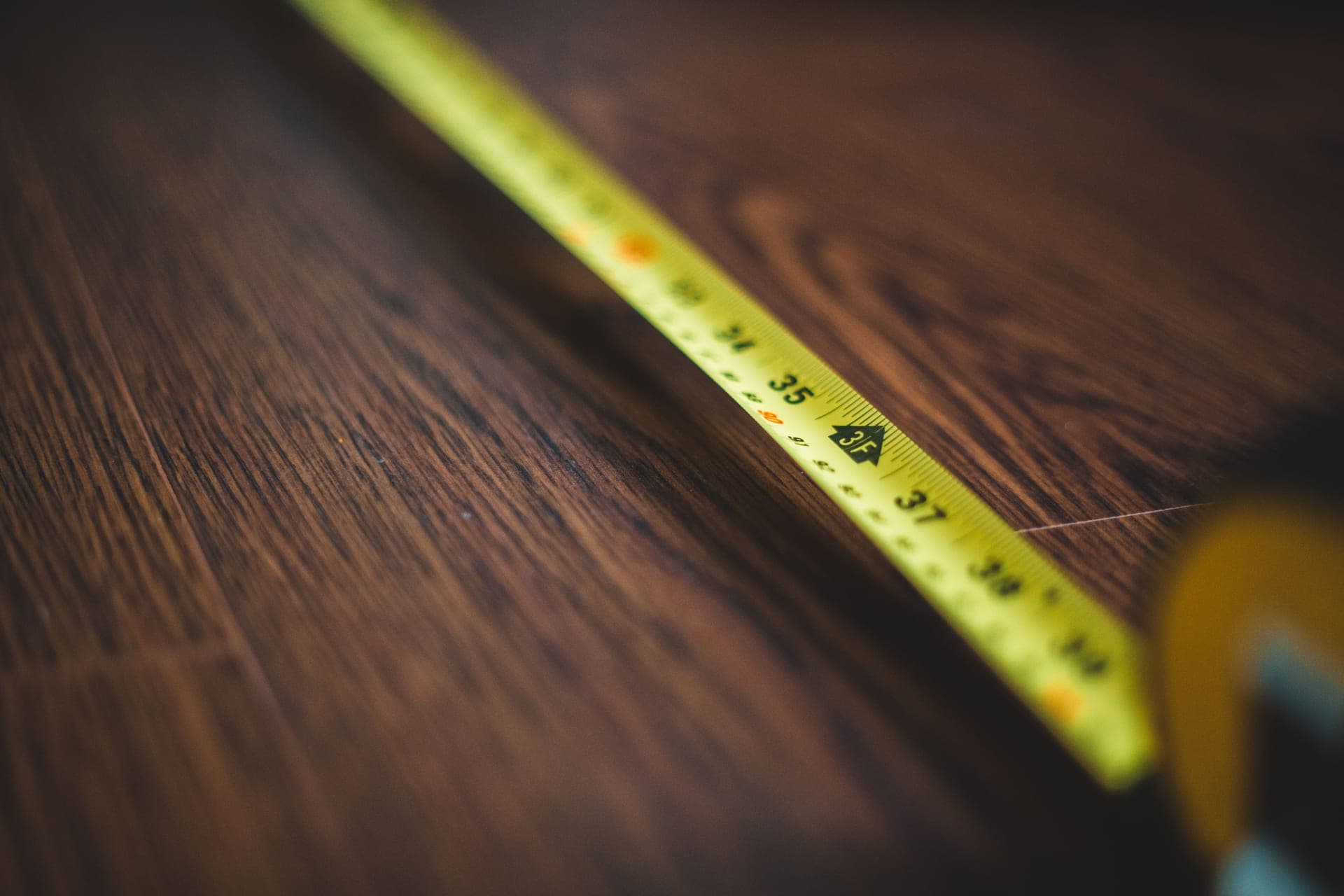
- Mark the table's footprint on the floor with tape. Cardboard or painter's tape at the actual playing-surface dimensions, plus the cabinet overhang. This is far more revealing than any number.
- Stand at each side and mime the shot. You want a full backswing with your elbow clear behind you. If you cannot do it at the tape, you will not be able to do it at the table.
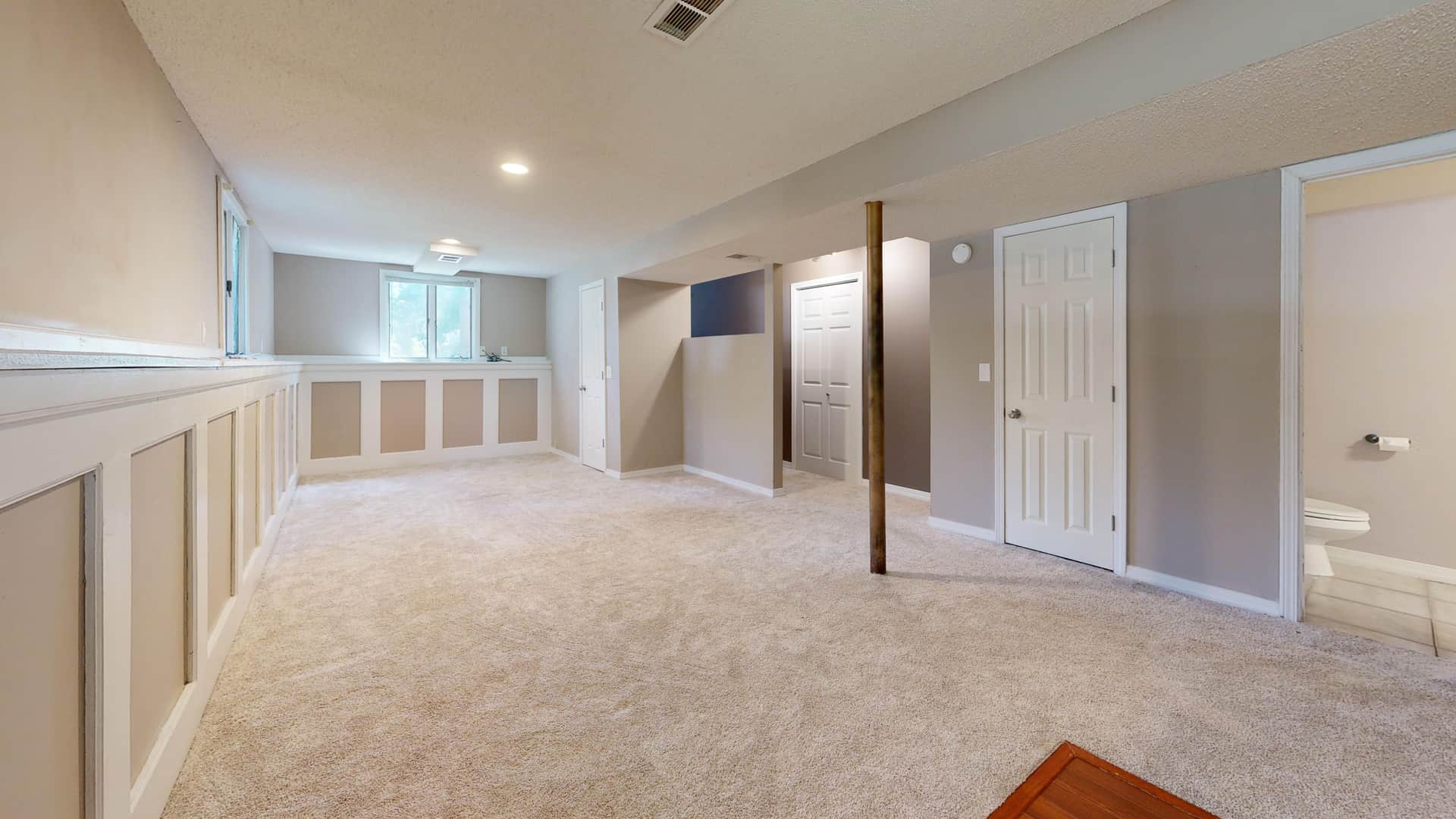
- Check the ceiling too. Low basement ceilings, and particularly ducting, interfere with the cue on raised shots. Anything under about 8 feet is worth checking with a cue in hand.
- Plan where the light goes. A table lit from a ceiling fixture across the room throws shadows from the player. A hanging light over the table is the standard answer and needs a joist in the right place.
Quick picks
Tap any row to jump to the full write-up.
| # | Product | Best for | Price |
|---|---|---|---|
| 1 |  If you have the room Playcraft Southport 7 ft Slate Pool Table A 7ft slate table — the size that fits most rooms that clear the chart. | Rooms clearing about 17ft 6in by 13ft 6in | Check price on Amazon |
| 2 |  If you are just short Mizerak Dynasty Space Saver 6.5 ft Billiard Table 6.5ft recovers roughly a foot and a half of clearance. | Rooms that miss the 7ft numbers by a foot or two | Check price on Amazon |
| 3 | If the room is genuinely small Fat Cat Trueshot 6 ft Folding Billiard Table A 6ft folding table for rooms that cannot commit the floor. | Shared rooms and tight spaces | Check price on Amazon |
#ad · Buy links are affiliate links and we earn a commission on qualifying purchases. Photographs are licensed images of the category, not of the individual unit — see each retailer listing for the product’s own photography.
1. If you have the room
Playcraft Southport 7 ft Slate Pool Table
Playcraft
If your measurements clear the 7-foot row below, this is the size to buy and a slate bed is the version worth having. It is the standard home size for good reason.
What we like
- Standard size
- Slate bed
- Widely supported
- Matches bar tables
Worth knowing
- Professional setup
- Heavy
- Higher upfront cost
Who it’s wrong for
A room that does not clear the 7ft row. Drop a size rather than squeezing.
#ad · We earn a commission on qualifying purchases. How this is funded
2. If you are just short
Mizerak Dynasty Space Saver 6.5 ft Billiard Table
Mizerak
This is the pick for the most common outcome of measuring: nearly. A 6.5-foot table brings the requirement back inside what the room has, without dropping to a compact table.
What we like
- Fits where 7ft does not
- Real playing field
- Self-assembly
- Affordable
Worth knowing
- Non-standard size
- Engineered bed
- Covers harder to source
Who it’s wrong for
A room that clears 7 feet comfortably.
#ad · We earn a commission on qualifying purchases. How this is funded
3. If the room is genuinely small
Fat Cat Trueshot 6 ft Folding Billiard Table
Fat Cat (GLD Products)
When the numbers do not work at any fixed size, a folding table changes the question from whether the room can hold a table permanently to whether it can hold one on Saturday.
What we like
- Folds flat
- Lowest clearance requirement
- Easy setup
- Cheap
Worth knowing
- Short playing field
- Folding hardware wears
- Not for serious players
Who it’s wrong for
A dedicated game room with permanent space.
#ad · We earn a commission on qualifying purchases. How this is funded
Real rooms
Awkward rooms and how to handle them
Support columns and posts
Basements frequently have a column exactly where you want the table. Treat the column as a wall: measure clearance from it rather than from the room boundary. Often the fix is to rotate the table ninety degrees so the column falls at a corner rather than mid-side, which costs you far less playable space.
Low ceilings
You need enough height to raise the cue for a masse or a jump-adjacent shot, and more practically enough that a hanging light sits above head height without being in the line of a normal stroke. Under 8 feet is workable but worth testing. Under about 7 feet 6 inches becomes genuinely restrictive with a ceiling light in place.
One tight side
This is very common and very manageable. Put the tight side against the wall deliberately, keep a short cue in the rack for that side, and accept it. A table with three excellent sides and one compromised one is a good table. A table centered in a room that is short on two sides is not.
Getting it into the room at all
Measure the route, not just the destination. Doorways, stair turns and landing widths defeat more tables than room sizes do. Slate tables arrive in pieces so the frame is the constraint; an assembled folding table is a single awkward object. If the route is tight, that alone may decide the table you buy.
Alternatives
What if the room does not work?
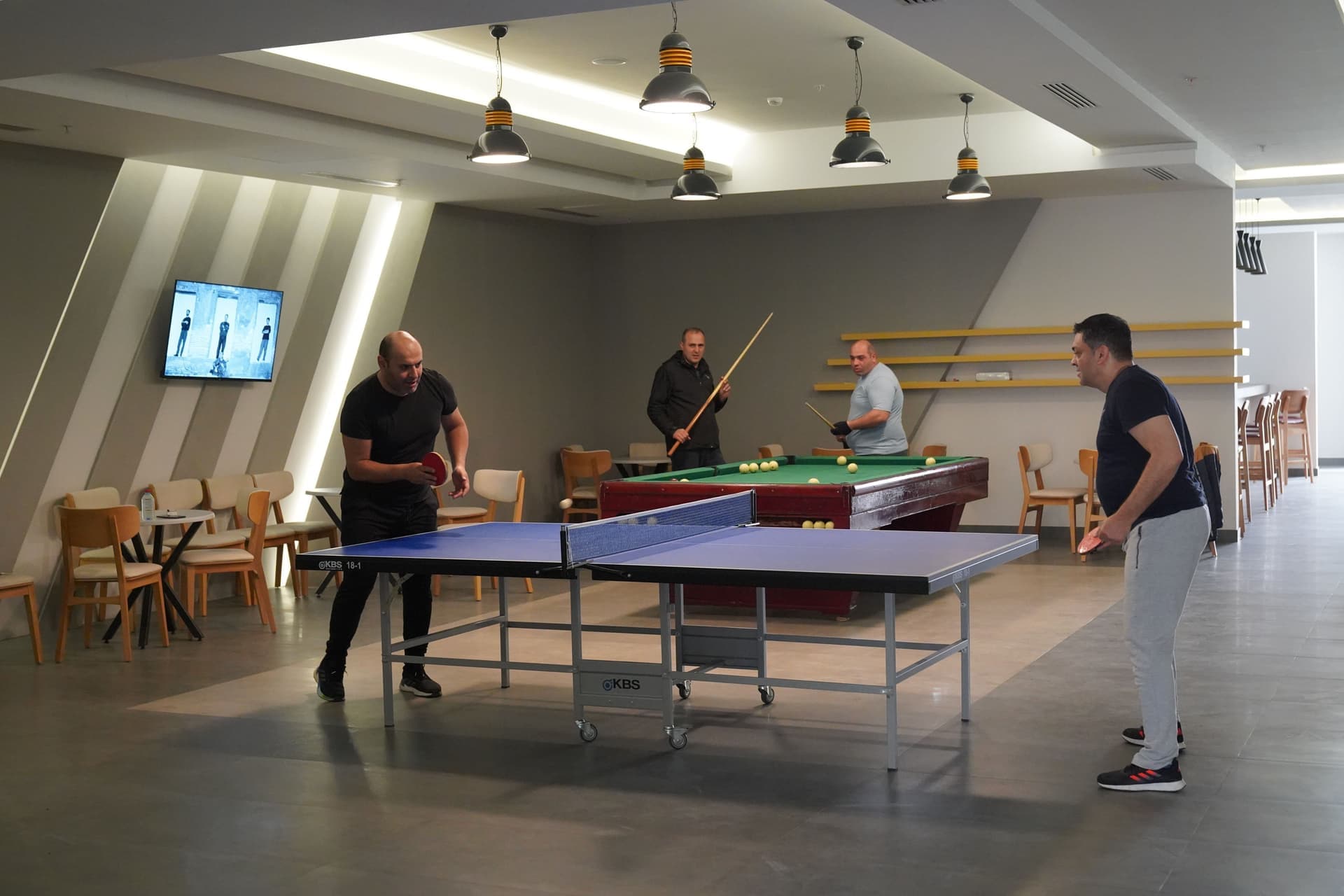
Drop a size before you compromise clearance — a 7-footer with room to stand beats an 8-footer without, and a 6.5ft or compact table beats both if that is what the room supports. If no pool table fits, the two alternatives worth considering are a multi-game table, which is usually more compact, or a different game entirely: ping pong needs run-back space rather than side clearance, which suits a different room shape.
Questions
Common questions
How much space do you need for a pool table?
What size pool table fits in a 12x15 room?
Can you put a pool table in a room with a low ceiling?
Do short pool cues really help in a small room?
How much clearance do you need around a pool table?
Sources
Keep reading
Read next