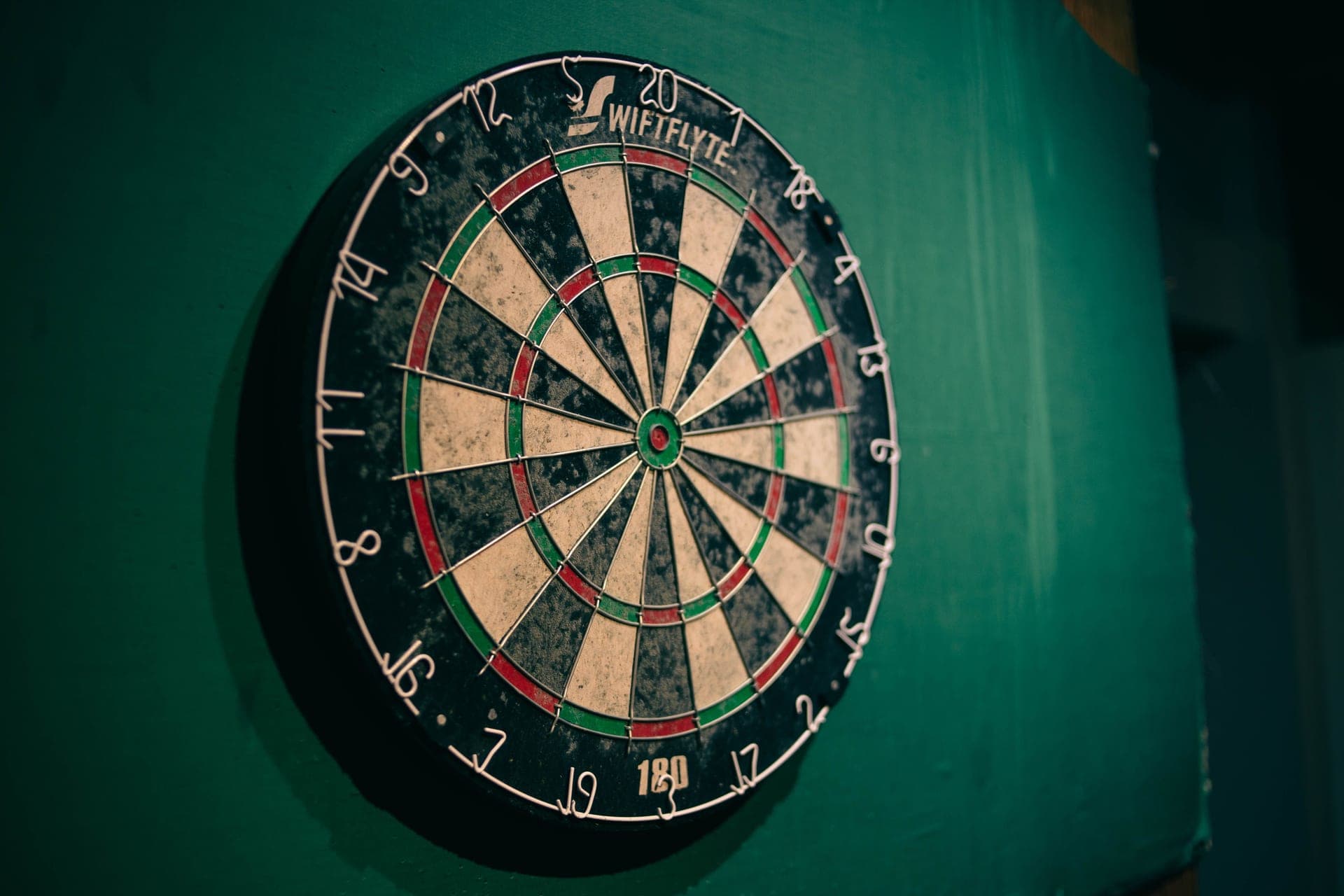
Best dartboard overall
The best dartboards for home
Our main dartboard roundup: bristle and electronic picks, and the wiring detail that separates a good board from a cheap one.
Category
The cheapest way to turn a wall into a game room — and the one purchase where getting the measurements right matters more than the board.
By Ryder M. · Last updated September 27, 2026 · How we pick
A dartboard is the highest-value purchase in this entire site. It costs a fraction of any table here, it needs no floor space at all, and it is the only game room item where a beginner and a good player can genuinely compete. If someone has a blank wall and an interest, this is the gift that gets used.
There are two kinds of board and they are not really competing products. A bristle board is compressed sisal fiber, used with steel-tip darts. The fibers close around the dart and heal themselves, so a good one lasts years, and it is what every professional plays on. An electronic board is a plastic face with thousands of small holes, used with soft-tip darts, and it scores for you. The scoring is not a gimmick — it removes the single biggest barrier for casual players, who mostly do not want to do mental arithmetic in threes. We compare them properly on bristle vs electronic.
Whichever you buy, the setup is fixed and non-negotiable. The bullseye goes 5ft 8in from the floor, and the throw line sits 7ft 9¼in horizontally from the face of the board. Those are the numbers set by the World Darts Federation and used by the PDC, and they are the same everywhere in the world for steel-tip play. Get them wrong and everything the person learns at home transfers badly to any other board. The height and distance guide has the measurements and the soft-tip variants.
The other thing to budget for is the wall. Everyone misses, and a missed dart goes into plaster. A cabinet solves this elegantly — it frames the board, hides it when closed, usually includes a scoreboard, and catches most strays. A surround ring is the cheaper version of the same idea. Either way, plan for it at purchase rather than after the first hole.
Start here
Every guide below is written for someone buying rather than someone who already plays.
Cue & Paddle is reader-funded. If you buy through a link on this page we may earn a commission, at no extra cost to you. It never changes which products we pick or how we rank them — read the full disclosure.
Best dartboard overall
Our main dartboard roundup: bristle and electronic picks, and the wiring detail that separates a good board from a cheap one.
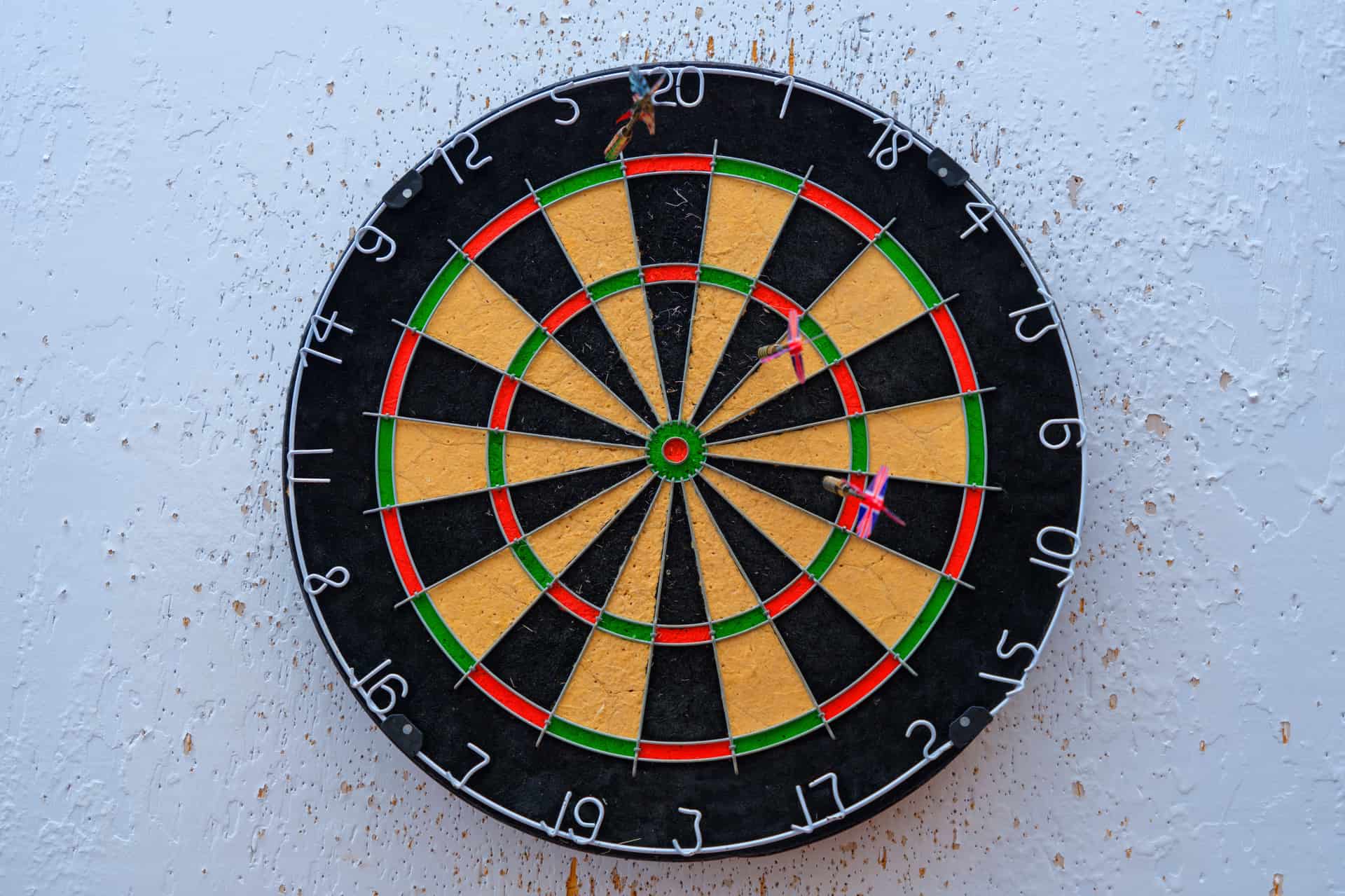
Best electronic dartboard
Automatic scoring, game modes and soft-tip play — the electronic boards worth buying, for families and connected play.

Best beginner dartboard
What to buy first, why the cheapest board is a false economy, and the setup that makes learning darts easier.
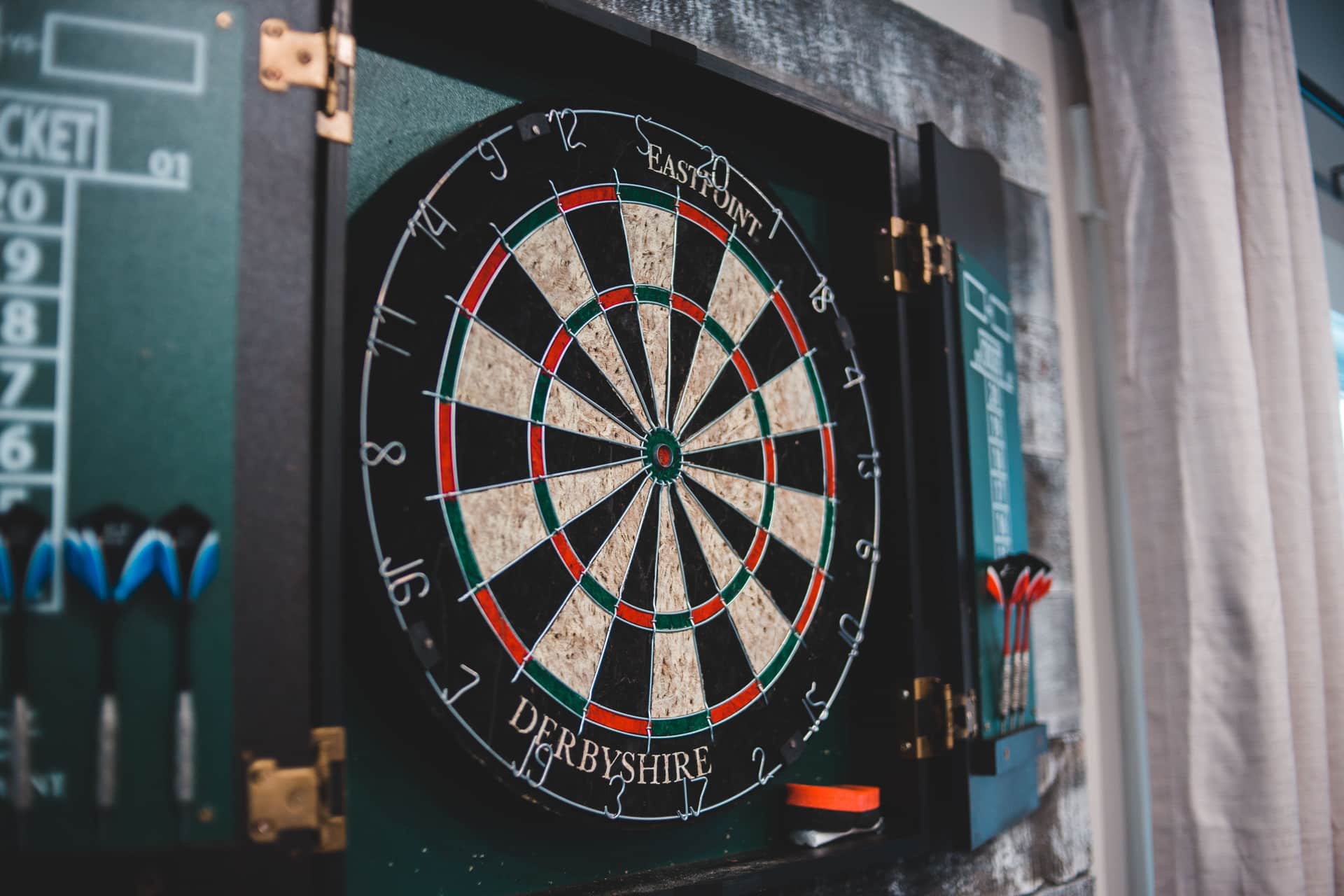
Best dartboard cabinet
What cabinets protect, what to look for, and whether a surround ring is the better buy for your wall and budget.
How to choose
Darts is the easiest category on this site to get right, provided you answer one question honestly first: does the person want to play darts, or do they want a dartboard?
One honest warning about very cheap bristle boards: the staples around the wire on budget models cause bounce-outs, and the sisal is softer so it wears unevenly within a year of regular play. It is the one place in this category where spending a little more genuinely changes the experience rather than buying a brand name.
Before you buy
Comparison
How the two play, what each is genuinely for, safety with children, and which suits your household.
Comparison
Weight, throw distance and board compatibility compared — plus which type to buy for a home game room.
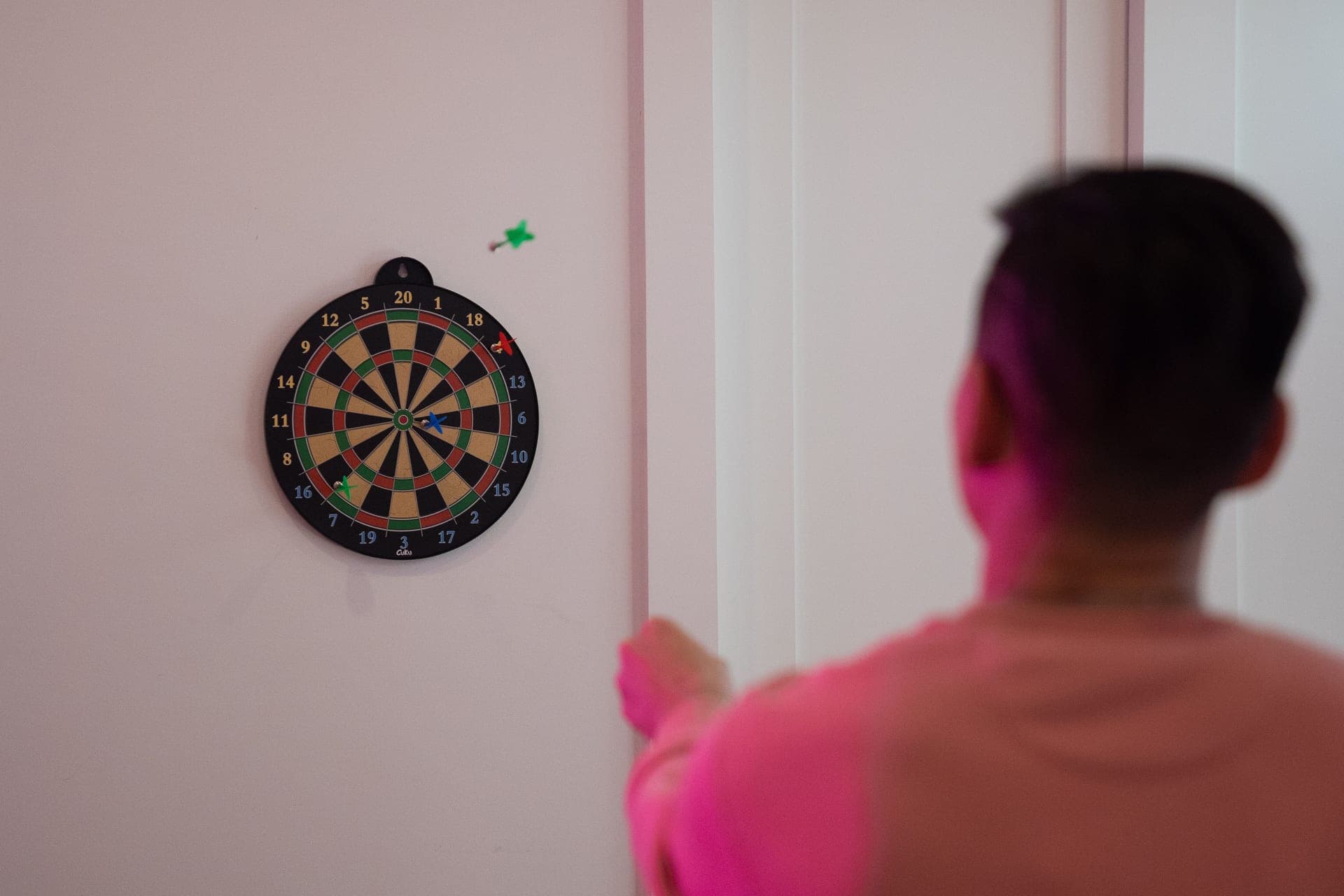
Guide
The regulation height, throw distance and diagonal, for steel and soft tip — with the governing bodies cited.
Guide
Depth, width, ceiling height and wall clearance — plus how to make hallways and awkward rooms work.
Guide
Mounting, height, throw line, lighting and wall protection — the full setup, step by step.
Questions
Elsewhere on Cue & Paddle
Sizes, slate vs MDF, room clearance and what to spend. Start here if the gift is a pool table.
Sorted by recipient and by price tier, for the buyer who does not know the category and needs a can't-go-wrong pick.
Buying this for someone else? Start with the gift guide instead.