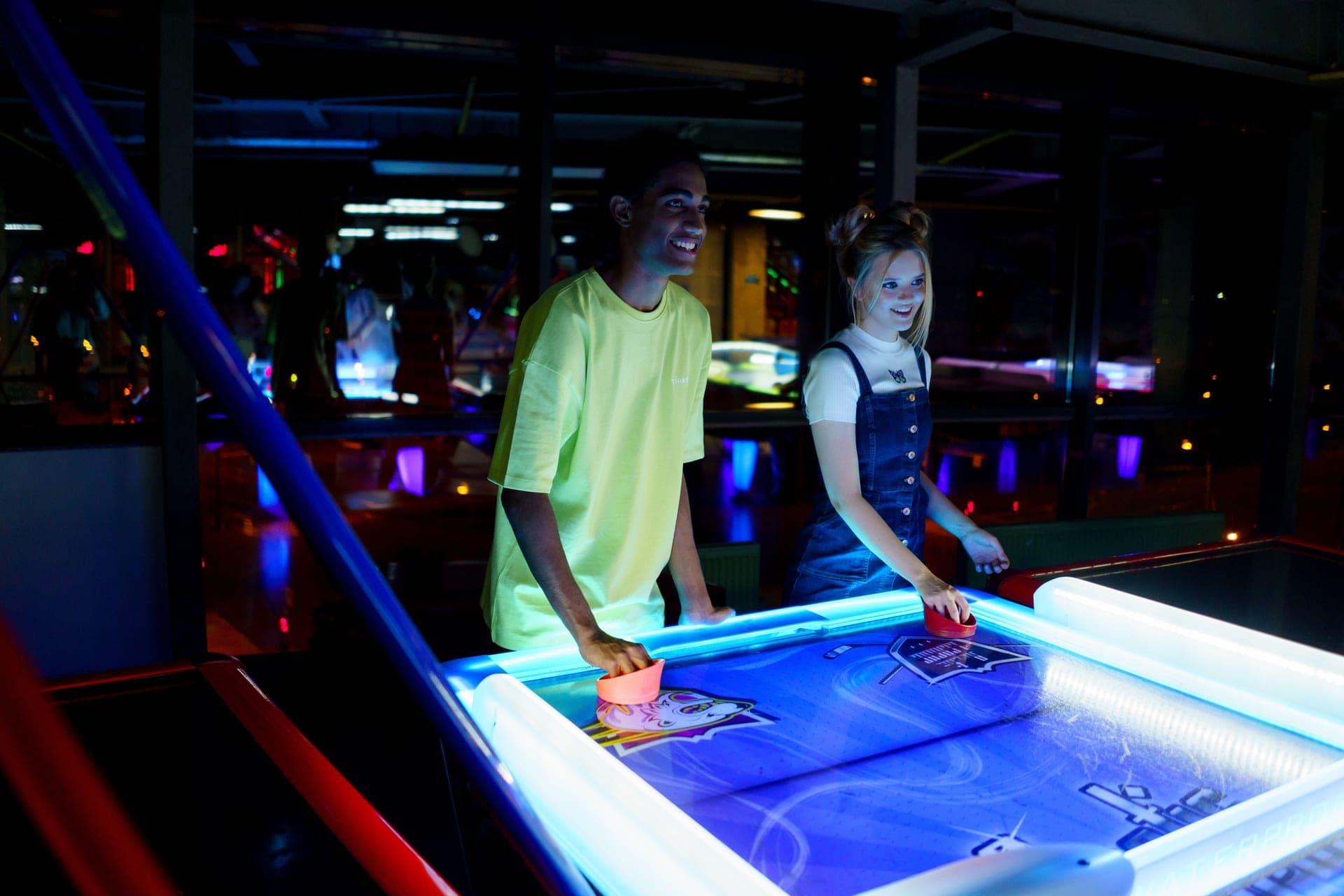
Best air hockey table overall
The best air hockey tables for home
Our main air hockey roundup: six picks from children's tables to arcade-grade, judged on the thing that matters — airflow.
Category
The table kids ask for by name. Also the one where a weak motor turns an arcade game into an expensive coffee table.
By Ryder M. · Last updated September 27, 2026 · How we pick
Air hockey is the most instantly satisfying table in the room and the easiest one to buy badly. The entire experience depends on a single component nobody photographs: the blower. It pushes air up through thousands of small holes in the playing surface, which lifts the puck just enough to remove almost all friction. Strong blower, the puck floats and the game feels like the arcade. Weak blower, the puck drags, and a dragging puck is not air hockey — it is shuffleboard with worse equipment.
That is the real fork in this category, and it maps almost exactly onto size. Tables under about five feet are toys. They are genuinely good toys for young children, they are cheap, and a six-year-old will not notice that the puck slows down — but an adult will, within one game. From around six feet up, tables start carrying motors big enough to keep a puck properly afloat across the whole surface. Seven to eight feet is where home tables feel like the ones in an arcade. How it all works, in plain English, is on how air hockey tables work.
So the single most important thing to get right is matching the table to who is playing. If the recipient is under ten, a five-foot table is the correct purchase and a full-size one is overkill that will dominate the room. If it is for a family where adults will genuinely play, going too small is the mistake — you will have spent real money on something that stops being fun after a fortnight. We split the picks that way deliberately: for kids and for adults.
One practical note that catches buyers out: air hockey tables are noisy. The blower is a constant drone, the puck cracks off the rails, and a scoring system will beep. That is fine in a basement and much less fine in a room adjoining a bedroom wall. It is worth thinking about before delivery day rather than after.
Start here
Every guide below is written for someone buying rather than someone who already plays.
Cue & Paddle is reader-funded. If you buy through a link on this page we may earn a commission, at no extra cost to you. It never changes which products we pick or how we rank them — read the full disclosure.
Best air hockey table overall
Our main air hockey roundup: six picks from children's tables to arcade-grade, judged on the thing that matters — airflow.
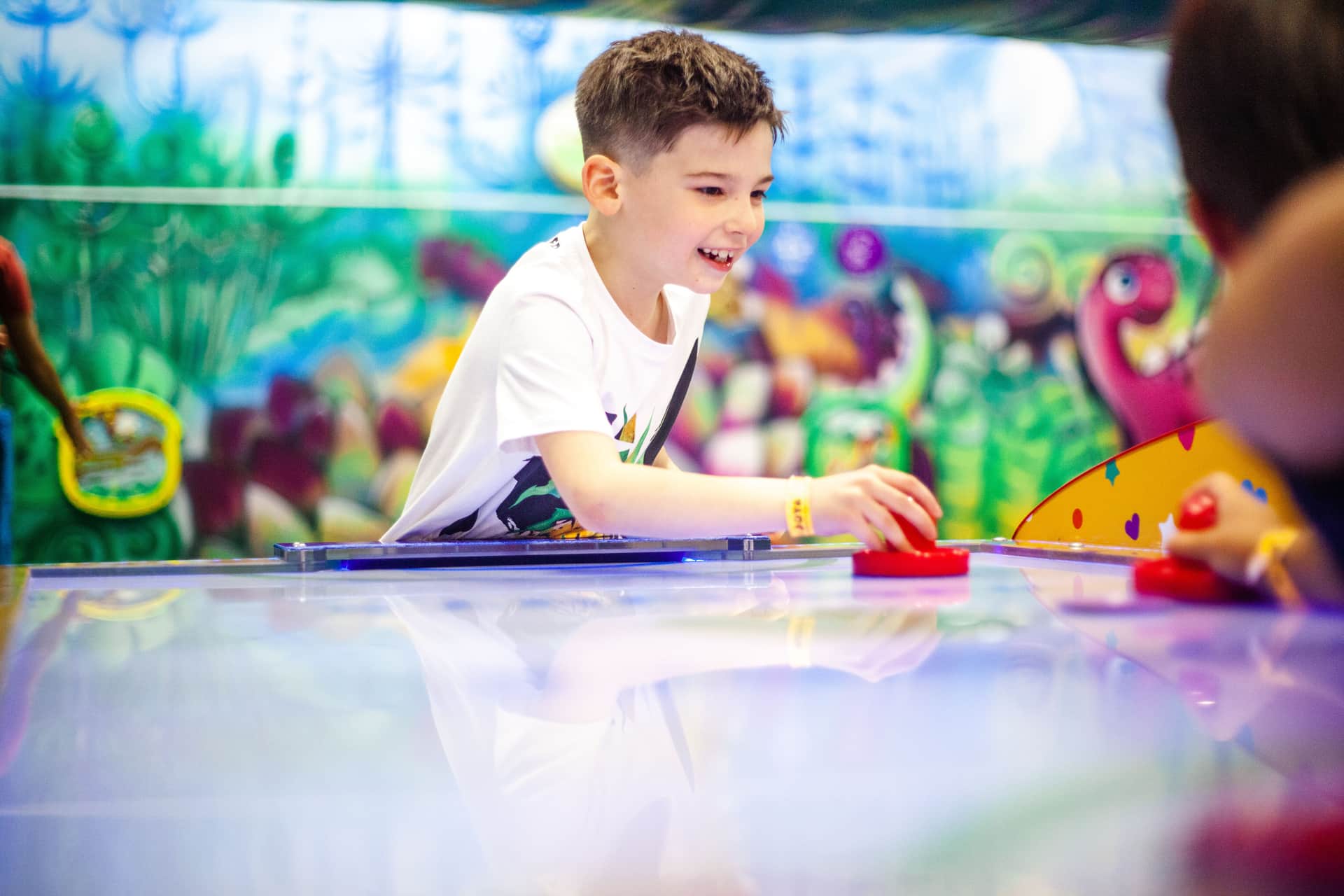
Best air hockey table for kids
The right size by age, what matters at children's sizes, and tables that get played rather than outgrown.
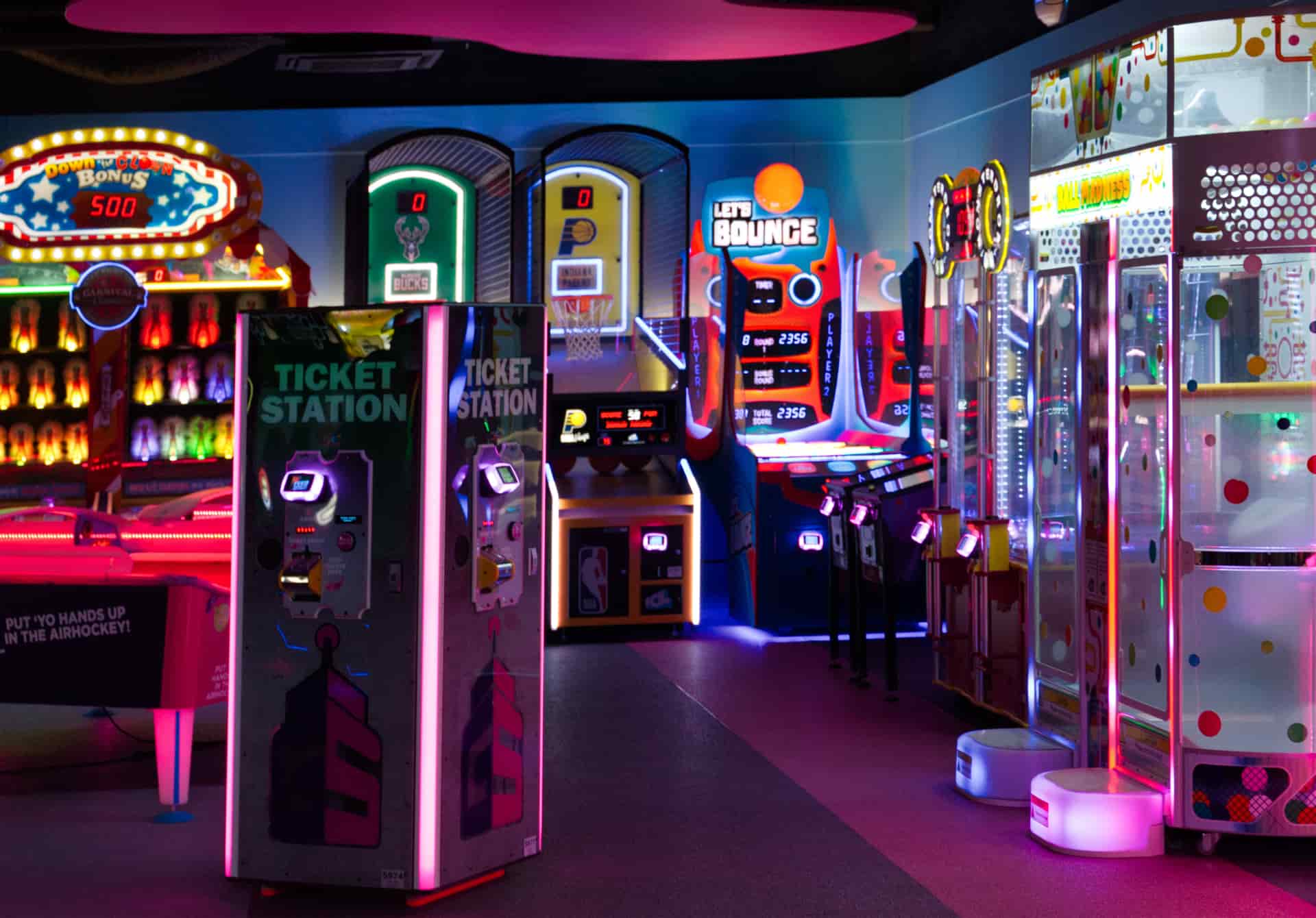
Best air hockey table for adults
Why 7ft is the minimum for adults, which tables have the airflow to back their size, and the arcade-grade options.
How to choose
Three decisions carry almost all the value here, and one of them is not on the spec sheet at all.
Electronic scoring is a nice-to-have, not a differentiator — it is the first thing to fail on budget tables and the game works perfectly with a manual slider. Spend the money on the motor and the surface instead.
Before you buy

Comparison
Space, noise, cost and staying power compared — plus whether a foosball and air hockey combo table is a sensible compromise.
Guide
Table sizes by age group, the room each needs, and the height that decides whether a child can play.
Guide
The market in bands, why price tracks size so closely, and where the value sits for a family.
Guide
The blower, the hole pattern and the puck explained — and why cheap tables feel slow, plus how to fix a dragging puck.
Questions
Elsewhere on Cue & Paddle
What actually separates a good table from a wobbly one, plus dimensions, budget picks and tables built for kids.
Where combo tables genuinely make sense, where they do not, and the dining tables that hide a pool table underneath.
Buying this for someone else? Start with the gift guide instead.