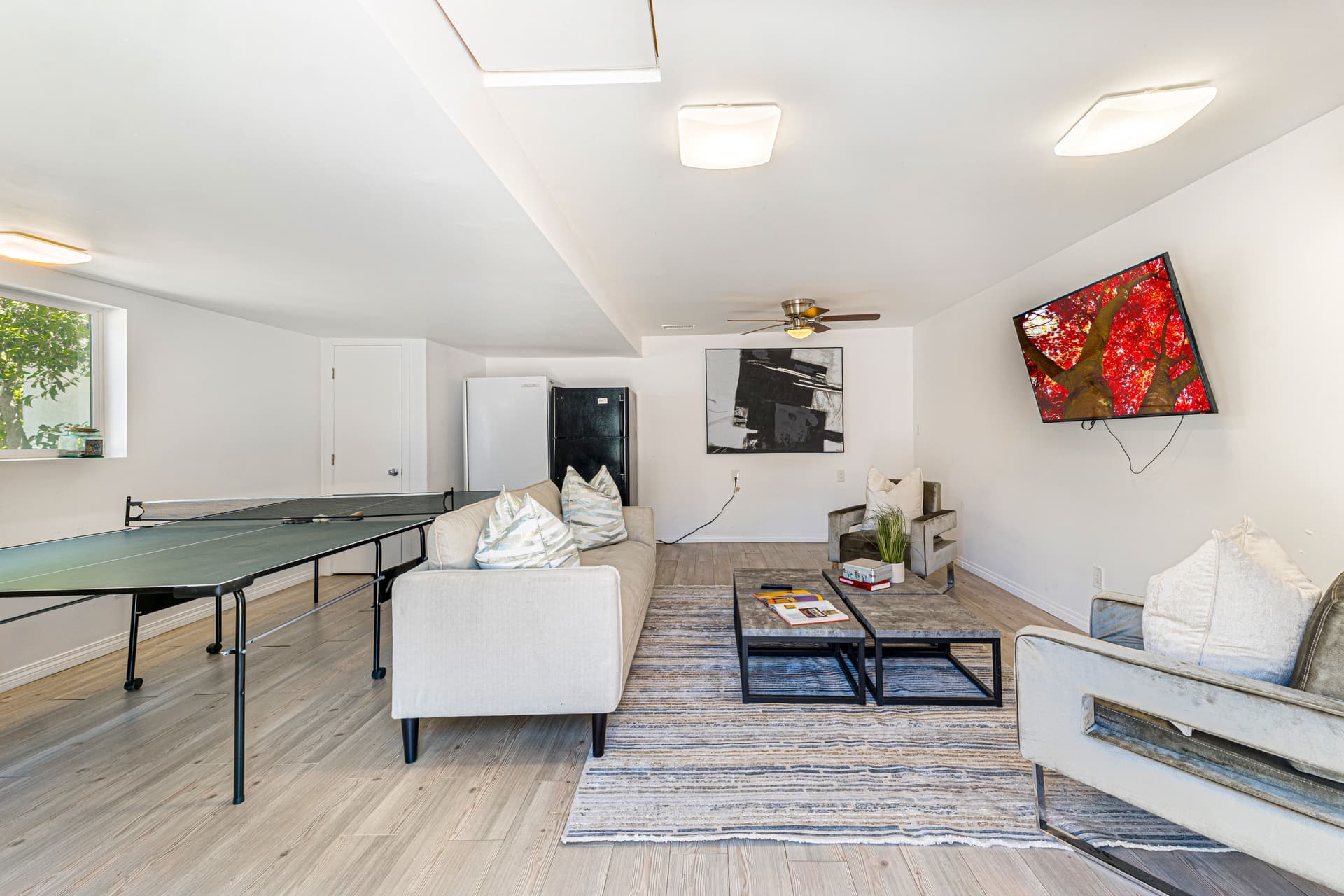
Best ping pong table overall
The best ping pong tables for home
Our main table tennis roundup: six picks by top thickness, room size and who is actually playing.
Category
The best value in the game room: cheap to buy, quick to fold away, and the one table that gets played by absolutely everyone.
By Ryder M. · Last updated September 27, 2026 · How we pick
If you want the most play per dollar in a game room, it is a ping pong table. The equipment is cheap, the rules are obvious, a six-year-old and a sixty-year-old can have a real game, and most tables fold up and roll into a corner when you need the floor back. That last part is why it is often the right first table even in a house that eventually wants a pool table.
A full-size table is a fixed thing: the official playing surface is 9ft by 5ft, 30in off the floor, per the ITTF equipment rules. Every credible brand builds to those numbers, so the size on the box is not where tables differ. Where they differ is the top thickness, measured in millimeters, and that single number explains most of the price ladder.
Thicker tops bounce more consistently and sound better. The cheapest full-size tables run around 12 to 15mm and play noticeably dead — fine for a garage and a couple of rallies, frustrating if anyone in the house can actually play. Somewhere around 18 to 19mm the table starts behaving properly. Tournament-grade tops are 25mm, and the difference between 19 and 25 is real but much smaller than the difference between 13 and 19. For a family table, the honest sweet spot is in the middle — we walk through it on 15mm vs 25mm.
The other question is where it lives. Indoor tables use a particleboard-based top that will warp permanently if it gets damp — a garage in a humid climate counts as damp. Outdoor tables use an aluminum-composite top that shrugs off weather but plays a little differently and costs more. And if you already have a pool table, a conversion top turns it into a ping pong table for a fraction of the price and none of the floor space.
Start here
Every guide below is written for someone buying rather than someone who already plays.
Cue & Paddle is reader-funded. If you buy through a link on this page we may earn a commission, at no extra cost to you. It never changes which products we pick or how we rank them — read the full disclosure.
Best ping pong table overall
Our main table tennis roundup: six picks by top thickness, room size and who is actually playing.
Best ping pong table under $500
What under $500 genuinely buys in table tennis, where the corners get cut, and the picks worth having.

Best outdoor ping pong table
What makes a table genuinely weatherproof, how outdoor tops play, and the picks for patios, decks and garages.
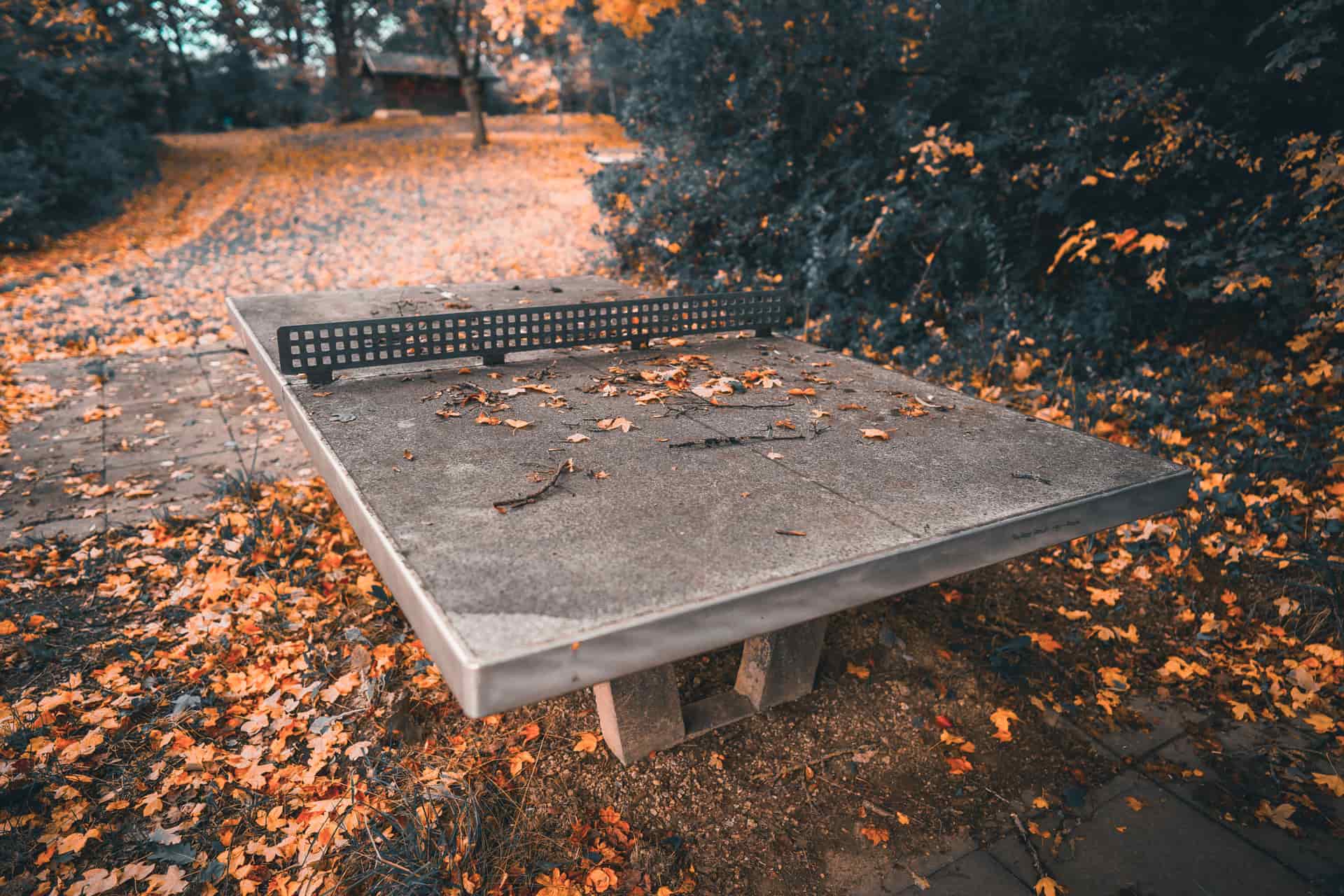
Best small-space ping pong table
Midsize tables, folding tables and conversion tops for rooms that will not take a full-size setup.
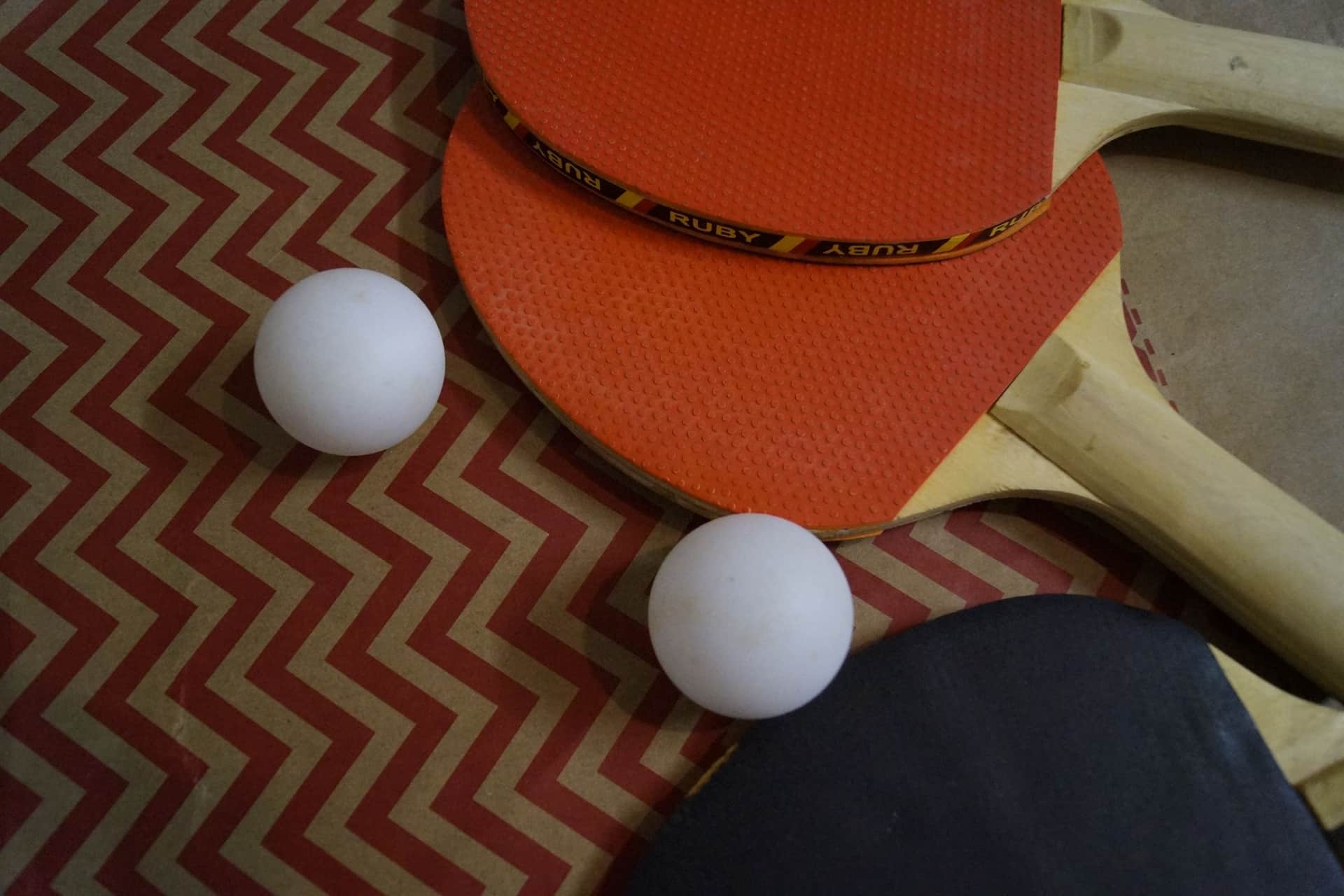
Best ping pong paddle
The highest-value upgrade in table tennis. Picks for beginners, spin players and family sets.
How to choose
Work through these four and you will land on the right table without learning anything about rubber sponge thickness.
One genuinely worthwhile upgrade that costs almost nothing: replace the paddles that come in the box. Bundled paddles are usually the cheapest possible five-ply blade with hard rubber, and they make a good table feel bad. A pair of decent rackets transforms the experience for less than the price of dinner — see best ping pong paddles.
Before you buy
Best conversion top
How conversion tops work, whether overhang matters, where they fall short, and the storage problem to plan for.
Comparison
What top thickness actually does to the bounce, where the returns stop, and which number to buy for your household.
Guide
Official ITTF dimensions plus the real room space you need by level of play, in feet, inches and centimeters.
Guide
The market in bands, what each step up genuinely buys, and the accessories worth budgeting for at the start.
Guide
Assembly, leveling, net height and positioning — the setup steps that decide whether a table plays well.
Questions
Elsewhere on Cue & Paddle
Sizes, slate vs MDF, room clearance and what to spend. Start here if the gift is a pool table.
Where combo tables genuinely make sense, where they do not, and the dining tables that hide a pool table underneath.
Buying this for someone else? Start with the gift guide instead.